Table of Contents
ToggleEver wondered who keeps the medical world spinning smoothly while doctors are busy saving the day? Meet the PA doctor, the unsung hero of healthcare. These Physician Assistants are like the Swiss Army knives of medicine—versatile, skilled, and always ready to lend a hand (or a stethoscope). They’re not just playing doctor; they’re trained professionals who can diagnose, treat, and even prescribe medication.
With a knack for multitasking and a sense of humor that can lighten even the heaviest of waiting rooms, PA doctors are essential members of any healthcare team. They bridge the gap between patients and doctors, ensuring everyone gets the care they need without the superhero cape. So, let’s dive into the world of PA doctors and discover what makes them the backbone of modern medicine.
What Is A PA Doctor?
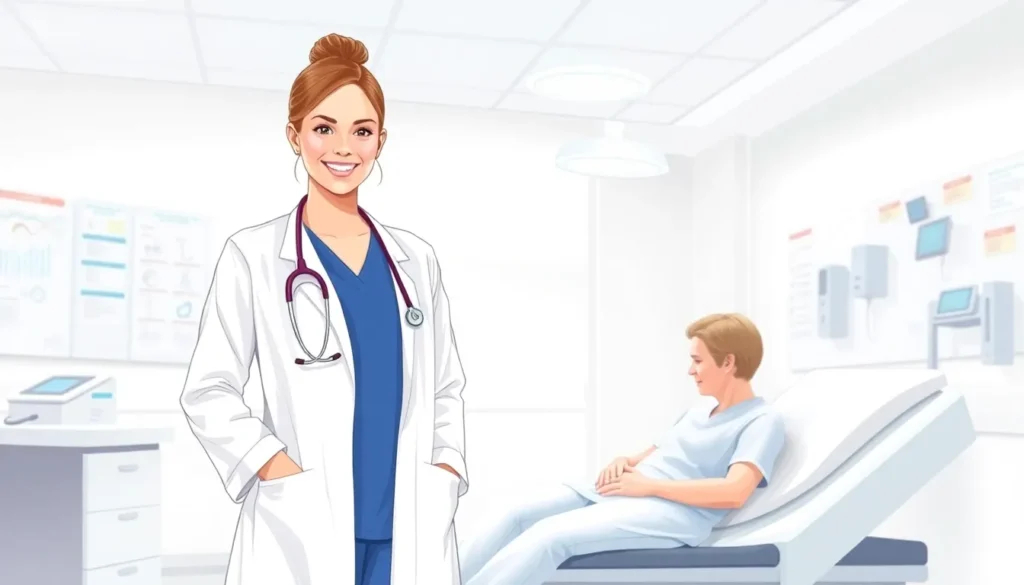
A PA doctor, or Physician Assistant, functions as a crucial part of the healthcare delivery system. These professionals possess the training to examine patients, diagnose conditions, and create treatment plans. By collaborating with physicians, PAs enhance patient care efficiency.
Despite not being a doctor, a PA’s extensive education includes earning a master’s degree and completing clinical rotations. This training equips them to handle a variety of medical situations, such as conducting physical exams and interpreting lab results. They prescribe medication in all 50 states, which underscores their autonomy within the healthcare team.
In addition to clinical roles, PAs play an important part in patient education. They clarify treatment options and provide necessary follow-up care instructions. An effective PA establishes rapport with patients, helping to alleviate anxiety and build trust.
Several specialties exist within PA practice. Common fields include family medicine, emergency medicine, and pediatrics. Each specialty offers unique challenges and opportunities for skill application, allowing PAs to tailor their careers to personal interests and community needs.
Statistics reveal the growing importance of PAs in healthcare. As of 2023, more than 150,000 PAs practice in the United States, displaying a trend in increased demand for their services. Employment projections indicate a continued rise, showing their essential role in addressing physician shortages.
Overall, PA doctors contribute significantly to healthcare, enabling high-quality patient outcomes and improved access to care.
Role And Responsibilities
Physician Assistants play a critical role in delivering high-quality healthcare. They handle multiple responsibilities that directly impact patient outcomes.
Patient Care Duties
PAs perform various patient care duties. These include examining patients, taking medical histories, and diagnosing conditions. Many PAs create detailed treatment plans tailored to individual needs. They prescribe medications in all 50 states, ensuring access to necessary treatments. Additionally, PAs monitor patient progress and adjust treatments as needed. Patient education remains a priority, as PAs clarify treatment options and address concerns, effectively building trust.
Collaboration With Healthcare Teams
Collaboration fills a significant part of a PA’s responsibilities. PAs work alongside physicians, nurses, and other healthcare professionals to create comprehensive care plans. Effective communication between team members enhances patient care efficiency. Regular consultations enable PAs to gather diverse insights and adjust treatments accordingly. PAs also participate in multidisciplinary meetings, contributing their unique perspectives on patient cases. This teamwork fosters a cohesive approach, ultimately benefiting patients and enhancing outcomes.
Education And Training
Education and training represent essential components for becoming a Physician Assistant (PA). A comprehensive knowledge foundation allows PAs to excel in their roles within the healthcare system.
Required Degrees
Aspiring PAs typically pursue a master’s degree in physician assistance or a related field. This educational path includes coursework in anatomy, pharmacology, and medical ethics. Practical clinical training follows, often exceeding 2,000 hours. Many programs also require a bachelor’s degree for admission, emphasizing healthcare experience through volunteering or working as medical assistants.
Certification Process
Certification demands successful completion of the Physician Assistant National Certification Examination (PANCE). This examination evaluates knowledge across various medical domains. After passing the PANCE, PAs must maintain certification through continuing medical education and periodic re-examination every ten years. Many states require PAs to hold a state license, ensuring compliance with local regulations in the practice of medicine.
Benefits Of Seeing A PA Doctor
Seeing a PA doctor provides numerous advantages for patients seeking healthcare. Accessing care through PAs offers timely appointments and comprehensive support.
Accessibility
PAs enhance accessibility within the healthcare system by extending services to patients. Many PAs work in diverse settings, including hospitals, clinics, and urgent care facilities. This flexibility helps address patient needs promptly, especially in high-demand areas. Appointments with PAs frequently have shorter wait times compared to traditional physician visits. Their presence in various specialties allows individuals to find the right care for specific issues. Furthermore, PAs often operate in rural and underserved communities, bridging gaps where healthcare providers are limited.
Quality of Care
Quality of care remains a top priority in every patient interaction with PAs. Trained extensively in diagnosing and managing conditions, PAs deliver high standards of healthcare. Collaborating closely with physicians, they form part of a dedicated healthcare team focused on patient outcomes. Each PA emphasizes personalized treatment plans and thorough patient education, ensuring individuals understand their health needs. Continuous follow-up care allows PAs to monitor patient progress effectively. Their dedicated approach contributes to enhanced patient satisfaction and better overall health outcomes.
Understanding the role of a PA doctor highlights their essential place in modern healthcare. These skilled professionals not only enhance patient care but also improve accessibility within the system. By collaborating with physicians and other healthcare providers, PAs ensure that patients receive timely and comprehensive support.
Their diverse specialties and commitment to patient education make them invaluable assets in various medical settings. As the demand for healthcare services continues to grow, the importance of PAs will undoubtedly increase, paving the way for a more efficient and effective healthcare delivery system.